


What a Mobile Vet Can Do (and When to Visit a Clinic Instead)
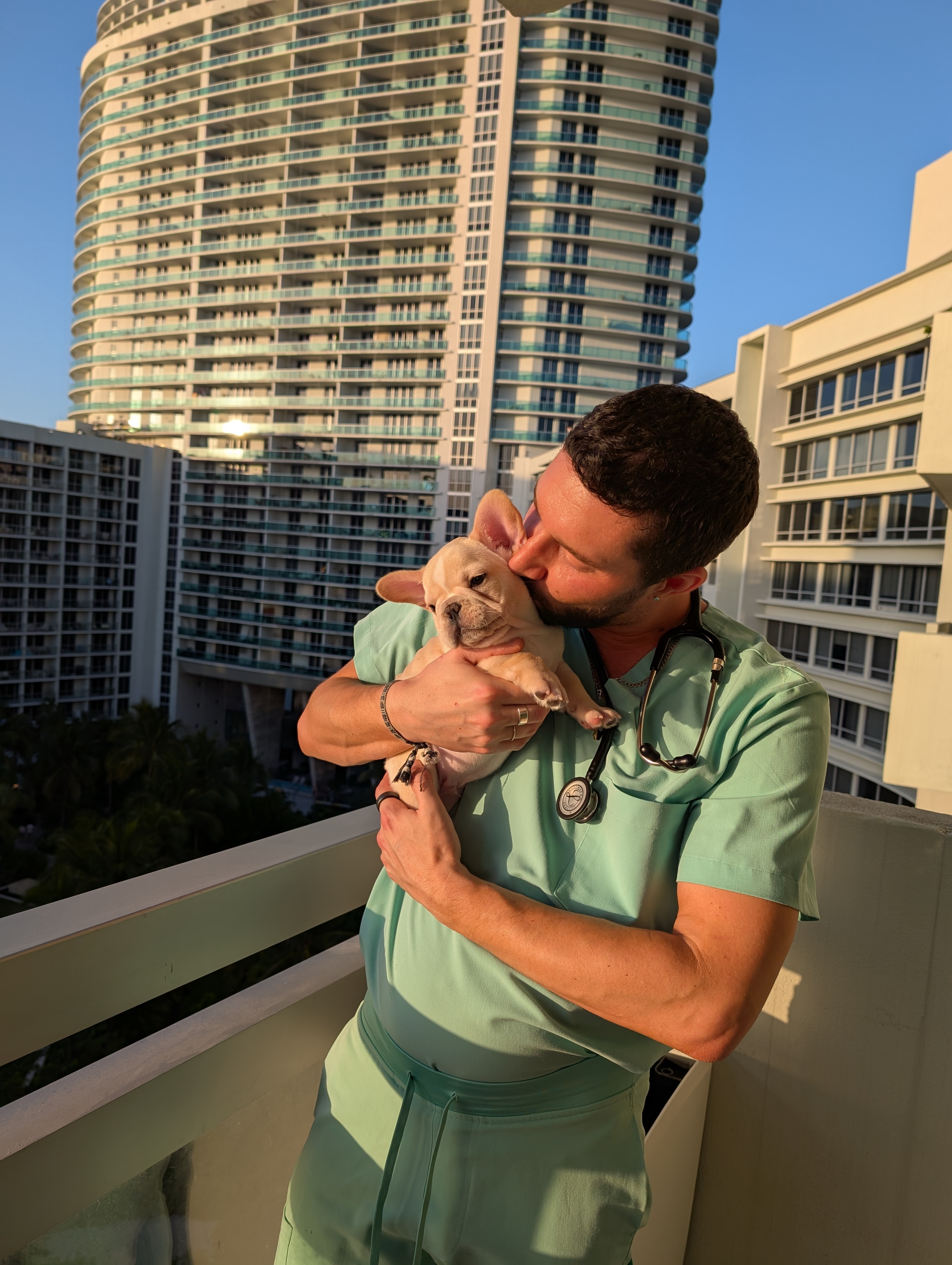
In today's fast-paced world, mobile veterinary services have become a popular choice for pet owners looking for convenience and personalized care. Mobile vets bring their skills directly to your home, providing a level of comfort for pets that often leads to less stress for both the animal and the owner. While mobile vets are excellent for various needs, there are instances where a trip to the clinic is necessary. This article explores the services provided by mobile vets and highlights situations where visiting a traditional clinic is the best option.
What Services Do Mobile Vets Offer?
Mobile vets provide a variety of essential services that can be conducted in the comfort of your home. Some of these services include:
Routine Check-ups
Routine health check-ups are vital for your pet’s long-term health. During a typical visit, mobile vets will assess key indicators such as your pet's weight and coat condition. For instance, regular check-ups can identify early signs of obesity, which affects around 56% of dogs and 60% of cats in the U.S. These visits also ensure your pet receives a more in depth look into your pet's whole lifestyle. Mobile vets can look at all the treats, supplements, and pet foods you offer. We can visually inspect each item and see the exact brand of pet food you are using, what the ingredients are, and the exact number of calories per cup. We can also see how your pet gets exercise, which cannot be done at the clinic. Home visits can help us understand your pet's exact lifestyle and help us recommend better feeding and exercise regimens, contributing to a healthier community of pets.
Vaccinations
Keeping vaccinations current protects your pet from preventable diseases. For example, rabies vaccination is not only required by law in many areas but is crucial, as rabies cases in animals have been reported in 2,500 to 3,000 incidents annually in the U.S. Mobile vets can safely administer these vaccines at home, which can be especially beneficial for pets who panic in the clinic.
Diagnostic Testing
Mobile vets can perform various diagnostic tests, such as blood work, allergy tests, sampling of lumps and bumps, urinalysis, and fecal exams. After obtaining samples, they send them to a laboratory for quick and accurate analysis. This proactive approach can lead to quicker diagnosis; for example, identifying conditions like diabetes, intestinal parasites, cancers, and more.
Minor Procedures
Some mobile veterinarians can perform minor procedures right in your home, such as bandage changes, wound care, medical grooming, nail trims, and ear cleanings. This service is especially helpful for pets that don’t tolerate travel well, an issue affecting roughly 25% of dogs. Regular access to these in-home visits is important, as these minor procedures often need to be done frequently.
End-of-Life Care
One of the most compassionate aspects of mobile vet services is end-of-life care. Mobile vets can provide euthanasia in a familiar setting, allowing pets to pass peacefully at home surrounded by their families. Research shows that 70% of pet owners prefer this option to ensure their pets are comfortable during their final moments.
Chronic Disease Management
Mobile veterinarians can be invaluable for managing pets with chronic conditions such as arthritis, diabetes, kidney disease, or heart issues. Regular in-home checkups allow the vet to monitor your pet’s progress closely, adjust medications, and perform necessary tests without the stress of clinic visits. This can be especially beneficial for pets with mobility challenges or those who become anxious during travel. Consistent, low-stress care at home helps improve comfort, treatment adherence, and overall quality of life.
Integrative Therapies
Many mobile veterinarians now offer advanced treatments like laser therapy and targeted pulsed electromagnetic field (tPEMF) therapy right in your home. These noninvasive therapies help reduce pain, inflammation, and swelling while promoting faster healing and improved mobility. They’re particularly beneficial for pets recovering from surgery, managing arthritis, or dealing with chronic pain conditions. Providing these treatments in a familiar environment helps pets stay relaxed and makes it easier for owners to maintain consistent therapy sessions for optimal results.
Benefits of Using a Mobile Vet
Choosing a mobile vet comes with several advantages that can make pet care more accessible and effective:
Convenience
The convenience of mobile veterinary services cannot be overstated. Pet owners can schedule appointments to fit their busy lives, drastically reducing the time spent commuting and waiting in a crowded clinic. With mobile vets, you can enjoy veterinary care without the hassle of navigating traffic to and from the clinic.
Reduced Stress for Pets
Many pets feel anxious in unfamiliar environments. A mobile vet can alleviate this stress by providing care in a familiar setting. Statistics show that over 50% of pets experience anxiety related to vet visits, making mobile services a significant benefit for those pets.
Personalized Attention
Mobile vets tend to spend more time per appointment compared to traditional clinics, which allows for more personalized care. This means you can have in-depth discussions about your pet's health concerns without feeling rushed, often leading to a better understanding of your pet's needs.
Comprehensive Care
Mobile vets are capable of offering a broad range of services, which makes it easier for pet owners to access the necessary care without needing multiple appointments across different sites. For example, you can arrange for vaccinations, routine check-ups, and even dental cleanings all in one visit.

When to Visit a Clinic Instead
While mobile veterinary services are excellent in many situations, some scenarios are better suited for traditional clinics. Here are a few to consider:
Emergency Situations
For medical emergencies—like severe injuries or sudden illnesses—a clinic is often better equipped to provide urgent care. Veterinary clinics typically have advanced diagnostic tools and surgical facilities that may not be available in a mobile setting.
Specialized Care
If your pet requires specialized treatments—such as orthopedic surgery or advanced imaging techniques like X-rays or MRIs—a veterinary clinic is usually the best choice. These facilities have the necessary equipment and expertise to handle complex conditions.
Hospitalization
Pets needing closer monitoring or overnight observation should be taken to a clinic. While mobile vets provide excellent at-home care, they typically lack the facilities for hospitalization, which can be critical in managing serious health issues.
Choosing the Best Option for Your Pet
Determining whether a mobile vet or a traditional clinic is best for your pet involves understanding their specific needs:
Assess Your Pet's Condition
Evaluate your pet’s health status. Mobile veterinarians can provide a wide range of services; from wellness exams and vaccinations to managing many chronic conditions in the comfort of your home. If your pet requires advanced diagnostics or procedures that need specialized hospital equipment, a clinic visit may be recommended. Especially in the case of an emergency.
Evaluate the Services Offered
Do your homework on the services provided by local mobile vets versus clinics. Some mobile vets offer an extensive array of services, while others may be limited in what they can provide. Make sure the provider you choose can meet your pet's needs effectively.
Consider Your Pet's Temperament
If your dog becomes anxious, fearful, or reactive in unfamiliar settings, a mobile veterinarian can provide care in the comfort and security of their own home, minimizing stress and improving the accuracy of behavior assessments. For pets who remain calm and relaxed in clinic environments, a traditional veterinary visit may still be suitable.
Consult with Your Regular Vet
If you have an established relationship with a veterinarian, talk to them about the appropriateness of a mobile vet for your pet's specific needs. They can provide valuable insights and recommendations to ensure your pet receives the best care.
Final Thoughts
Mobile veterinary services present a convenient and compassionate alternative to traditional clinics, allowing pet owners to access the care their furry friends need at home. From routine check-ups to end-of-life care, mobile vets offer a diverse range of services tailored to your pet's requirements. Nevertheless, it is essential to recognize when a clinic visit is necessary, particularly in emergencies or when specialized care is required. By understanding the strengths of both mobile vets and traditional clinics, you can make informed decisions that ensure your pet receives optimal care.


Comments