


What Miami Pet Parents Need to Know About Heatstroke in Dogs and Cats
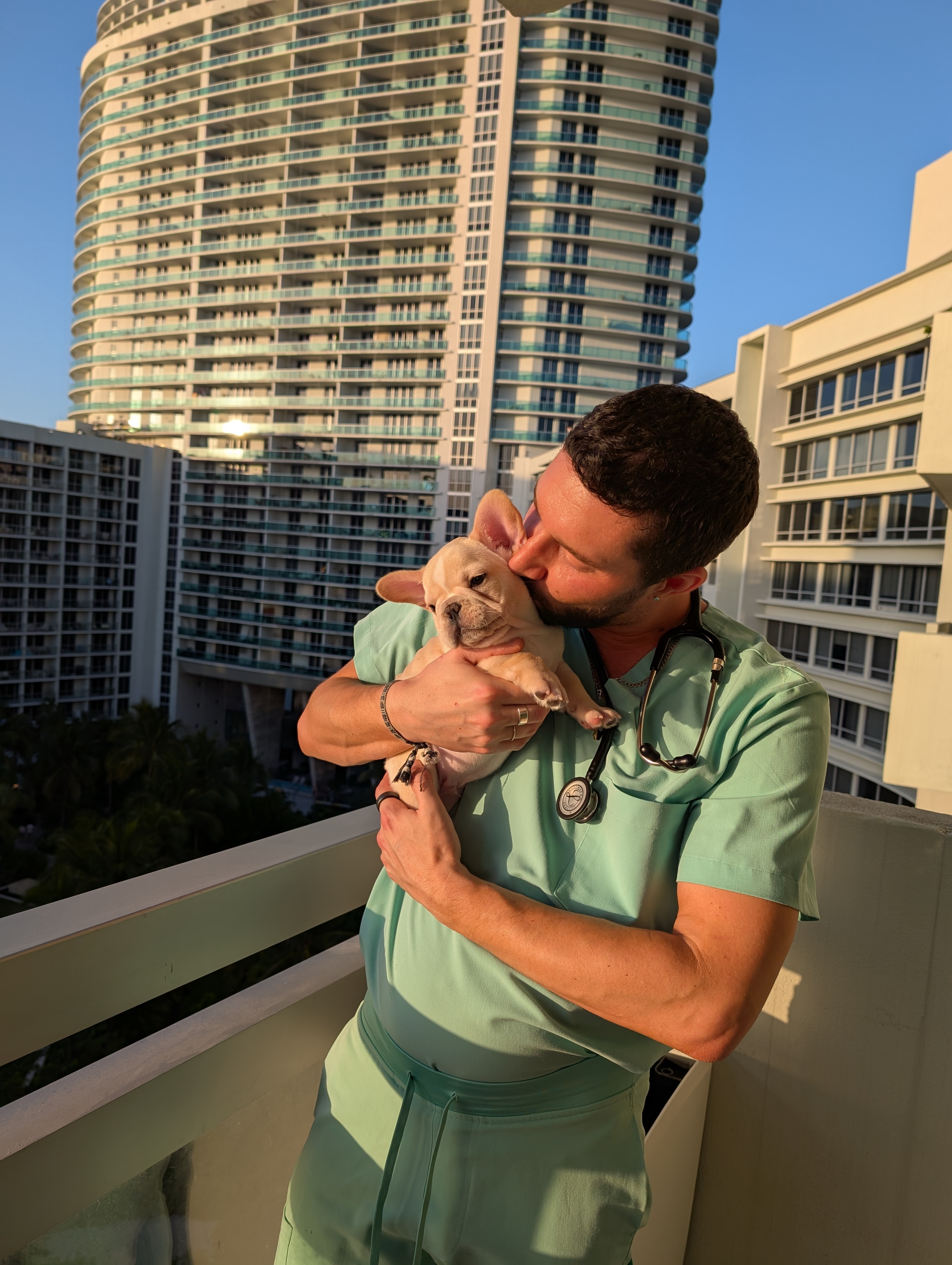

Living in Miami means sunshine year-round, but with the warmth comes a serious risk for pets: heatstroke. Dogs and cats are especially vulnerable to overheating because they can’t cool down as efficiently as humans. Knowing the signs, prevention strategies, and what to do in an emergency could save your pet’s life.
Why Heatstroke Happens
Unlike people, pets don’t sweat over most of their body. Dogs primarily cool themselves by panting, and cats through grooming. When the outside temperature and humidity rise—especially in South Florida—their cooling mechanisms may not be enough.
Common triggers include:
Being left in cars, even for a few minutes.
Outdoor walks during peak heat hours (10 AM–4 PM).
Lack of shade or fresh water in the yard.
Exercise in hot, humid weather.
Early Signs of Heat Stress
Heavy panting
Drooling or foamy saliva
Bright red gums or tongue
Lethargy, weakness, or confusion
Vomiting or diarrhea
If untreated, these can progress to collapse, seizures, organ failure, or even death.
Steps to Prevent Heatstroke
Walk dogs early in the morning or after sunset.
Provide ample shade and fresh water outside.
Never leave pets in cars, even with windows cracked.
Use cooling mats, fans, or pet-safe cooling vests.
For brachycephalic breeds (Bulldogs, Pugs, Persian cats), take extra precautions, as they overheat faster.
What to Do in an Emergency
Move your pet to a shaded, cool area.
Apply cool (not ice-cold) water to paws, belly, and ears.
Offer small amounts of cool water to drink.
Seek veterinary care immediately—heatstroke is a life-threatening emergency.
With awareness and prevention, Miami pet parents can keep furry family members safe through even the hottest months.


Comments